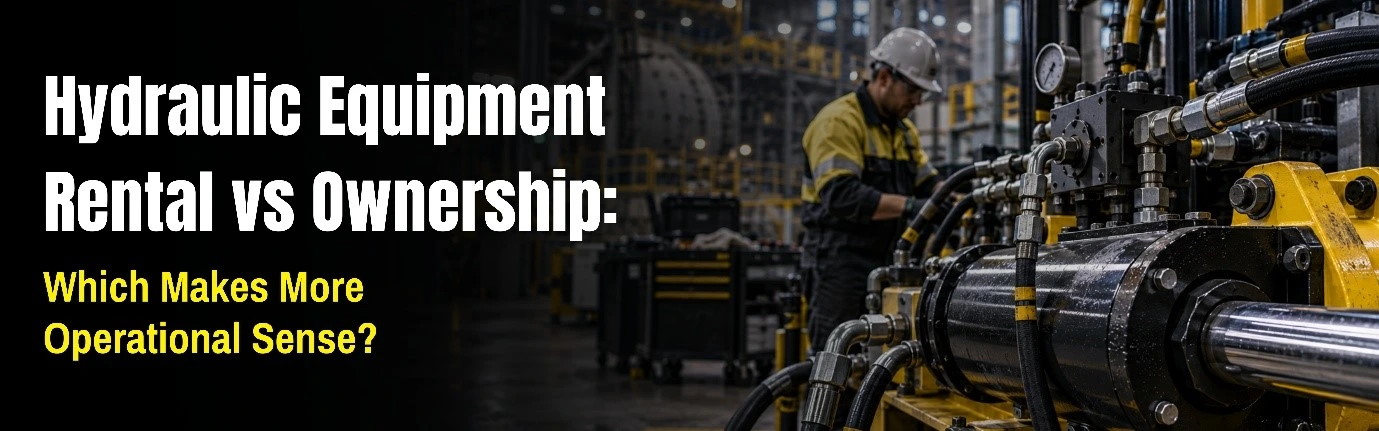
Choosing the Right Industrial System in South Africa
Understanding the difference between hydraulic and pneumatic systems is crucial for South African mining, construction, and manufacturing operations. Both systems convert energy into mechanical motion, but they operate differently, offer distinct advantages, and suit specific industrial applications. Choosing the right system can reduce downtime, improve safety, and enhance operational efficiency.
What Are Hydraulics and Pneumatics?
Hydraulic systems use pressurised liquids, typically oil, to generate power. Pneumatic systems, on the other hand, rely on compressed air. While both transmit force, hydraulics are better suited for heavy-duty applications requiring high torque and precision, whereas pneumatics excel in fast, light-duty, and clean operations.
In South Africa, hydraulics are commonly used in mining and heavy construction projects where machinery like excavators, bulldozers, and industrial presses demand consistent, high-force performance. Pneumatics are often found in workshops, automated assembly lines, and light industrial machinery, where speed and cleanliness are top priorities.
Applications of Hydraulic and Pneumatic Systems
Hydraulic System Applications
- Excavators, bulldozers, and loaders in mining and construction sites
- Industrial presses, car crushers, and heavy-duty lifting equipment
- Emergency rescue tools like the jaws of life
- High-precision manufacturing machinery
Hydraulics are ideal for tasks that require high force and smooth, controlled movement. In South Africa, OEM-certified hydraulic tools with on-site support from Kiloton to ensure maximum uptime even in remote mining locations.
Pneumatic System Applications
- Tyre changers and workshop tools
- Automated door openers in commercial buildings
- Cleanroom and light assembly machinery
- Braking systems in some trains and buses
Pneumatics offer fast actuation and a lower risk of contamination, making them suitable for environments where spills or leaks could be hazardous.
Benefits of Hydraulics vs Pneumatics
Advantages of Pneumatics
- Speed and Responsiveness: Cylinders move quickly for rapid operations.
- Flexible Sizing: Available from miniature components to large industrial units.
- Safe and Clean: Compressed air leaks pose minimal risk in sensitive environments.
- Quick Direction Changes: Air can be vented easily, allowing faster system adjustments.
Advantages of Hydraulics
- High Force and Torque: Can lift or move heavy loads efficiently.
- Precision and Smooth Control: Incompressible oil ensures consistent movement.
- Compact Power: Smaller hydraulic cylinders generate forces equivalent to much larger pneumatic cylinders.
- Durability: Suitable for heavy industrial applications in mining, construction, and manufacturing.
In South African industrial operations, hydraulics outperform pneumatics for heavy lifting and high-force applications, while pneumatics are perfect for light, rapid, and clean tasks.
Safety Considerations
Safety should always be a priority on any industrial site. Hydraulic oil leaks can be hazardous, so regular inspection of valves, hoses, and seals is essential. Always follow the manufacturer’s guidelines and use protective gear. For detailed instructions, refer to the Enerpac Safety Guidelines.
Choosing the right system for your application is critical. If you’re unsure whether to use hydraulics or pneumatics, Kiloton’s experts provide on-site guidance, tailored maintenance plans, and OEM-certified solutions to keep South African operations running safely and efficiently.